MRA – Mineralocorticoid receptor antagonist (e.g. spironolactone and eplerenone)
AHF – Acute exacerbation of heart failure
Definitions
Term
Acronym
Definition
Heart Failure with preserved ejection fraction (HFpEF)
HFpEF
Clinical HF with LVEF ≥ 50%
Heart Failure with mid-range ejection fraction (HFmEF)
HFmEF
Clinical HF with LVEF 41-49%
Heart Failure with reduced ejection fraction
HFrEF
Clinical HF with LVEF ≤ 40%
Heart Failure with recovered ejection fraction
HF Recovered EF
LVEF Recovered to ≥ 40% with treatment
Diagnosis
Heart failure is a clinical syndrome resulting from structural and functional impairment of ventricular filling and/or cardiac output.
During acute phase, treatment focuses on decongestion (discussed in the Acute Heart Failure topic)
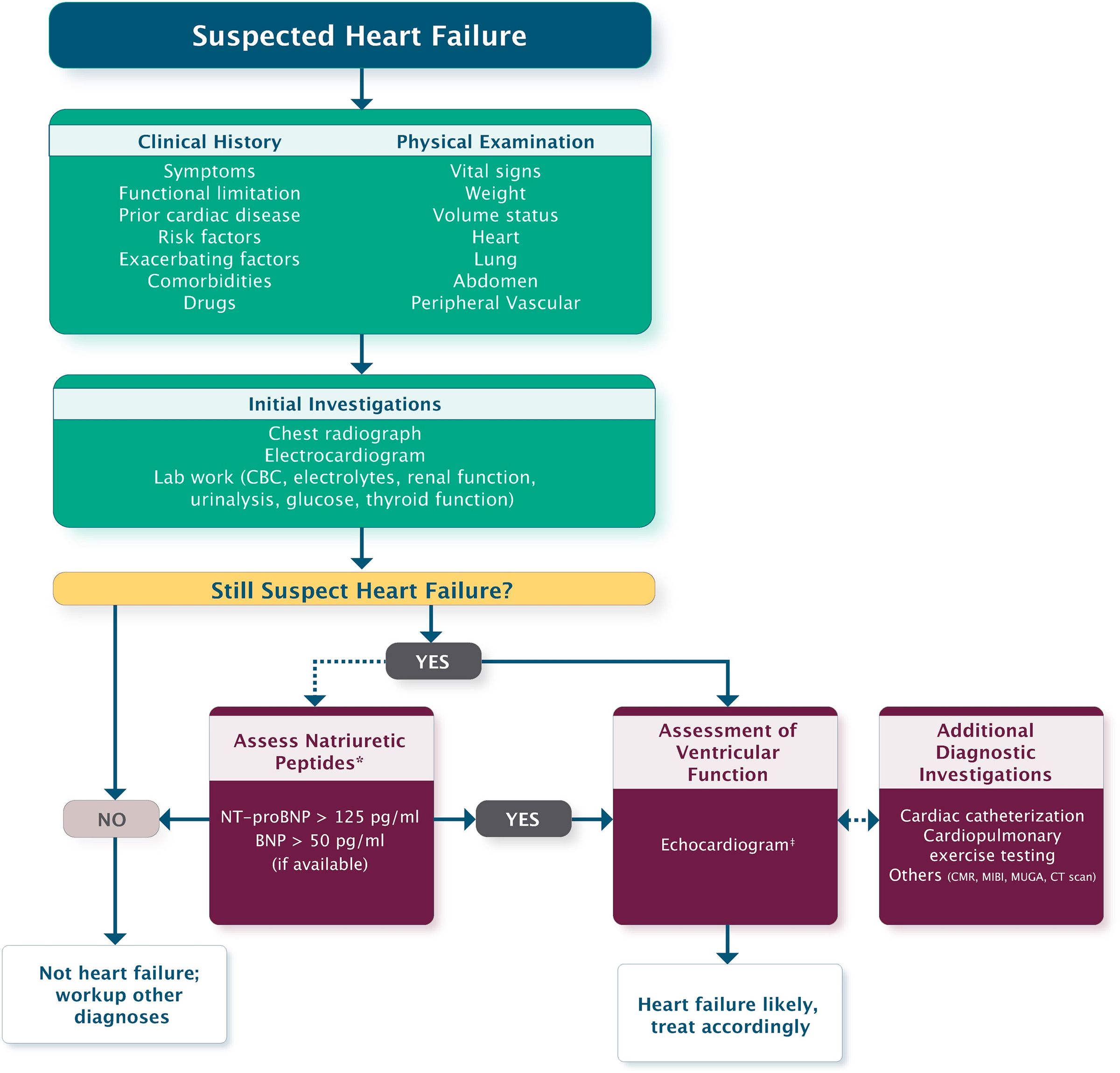
There is no single parameter or test that can diagnose heart failure, rather it is a constellation of signs, symptoms and investigations to make a diagnosis
See CCS algorithm as initial approach to a patient with suspected heart failure
New York Heart Association (NYHA) Functional Classification
Class
Definition
Other descriptor
I
No symptoms
Asymptomatic
II
Symptoms with ordinary activities
Mild symptoms
III
Symptoms with less than ordinary activities
Moderate symptoms
IV
Symptoms at rest or with any minimal activity
Severe symptoms
Investigations
ECG
Laboratory:
CBC, Creatinine, Ferritin, TSH
Troponin (prognostic stratification)
BNP/NT-proBNP (if available)
CCS: Helpful to rule in/out HF when cause of dyspnea is in doubt
Echocardiogram
Used to determine etiology and Ejection Fraction (most important prognostic markers and guides management)
If clinical suspicion:
Coronary studies (coronary CT, angiogram)
Cardiac MRI
PET (for certain etiologies)
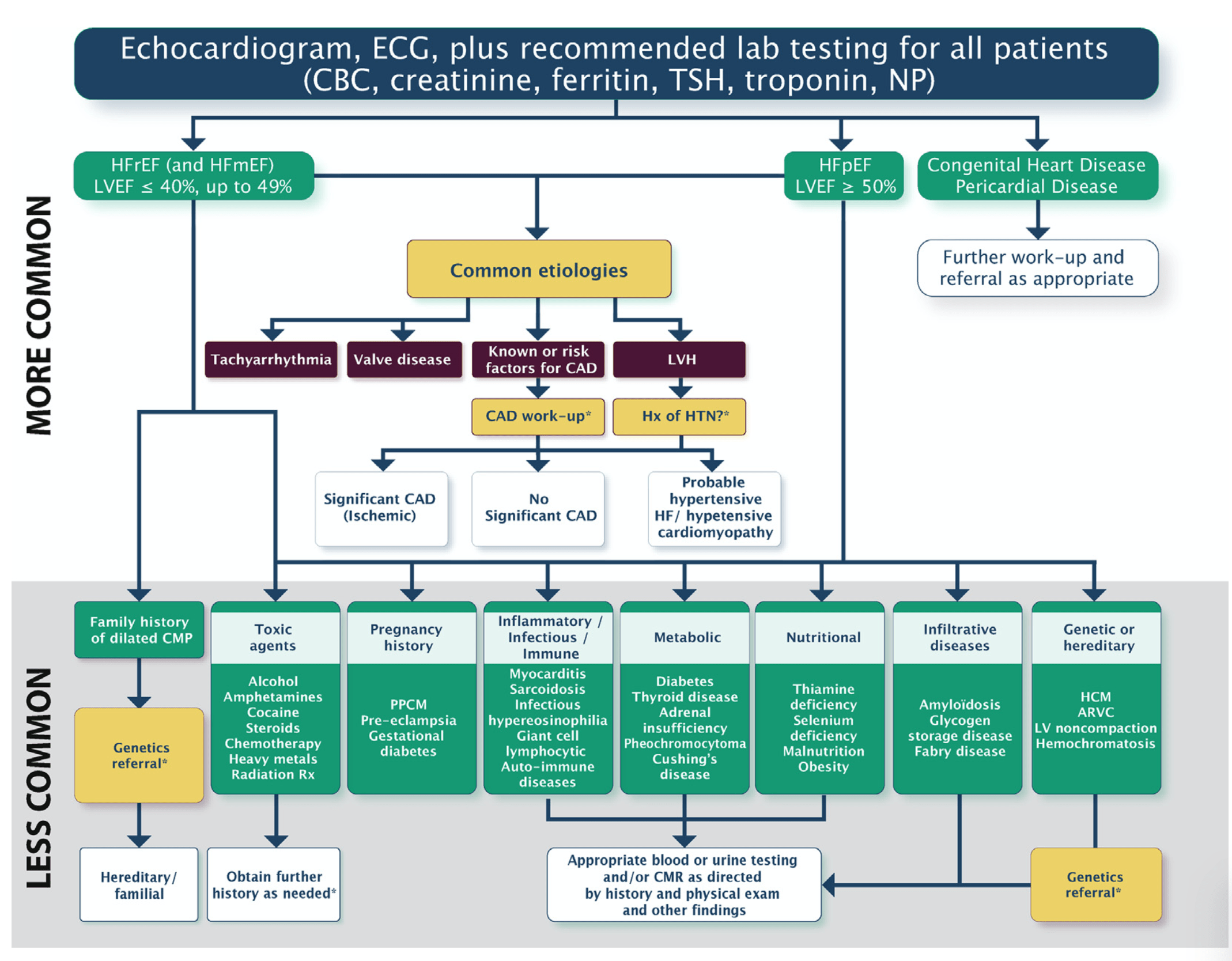
Workup Algorithm (CCS 2017 HF Guidelines)
Etiology
The most common cause for HF in industrialized countries is coronary artery disease, accounting for 60-75% of all cases.
After initial workup and ruling out common etiologies (tachyarrhythmias, valve disease, coronary artery disease, and left ventricular hypertrophy), further investigations should be tailored to patients history
CCS algorithm (above) provides a basic framework to the different cardiomyopathies and Table 6-8 in the guideline have more information. Further details are beyond the scope of this topic and often involve expert Cardiology consultation
Prognosis
Several models exist to convey risk to patients about the predicted mortality after developing heart failure. Here are some examples:
Seattle Heart Failure Model: Mortality risk at 1, 2, and 5 years with or without intervention; mean life expectancy
EHMRG: 7- day mortality on presented to emergency department
Treatment (HFrEF)
Introduction to Treatment
Guideline-directed medical treatment (GDMT) is the most important factor in improving outcomes in patients with chronic heart failure and should be initiated in all patients with HFrEF (mortality and morbidity).
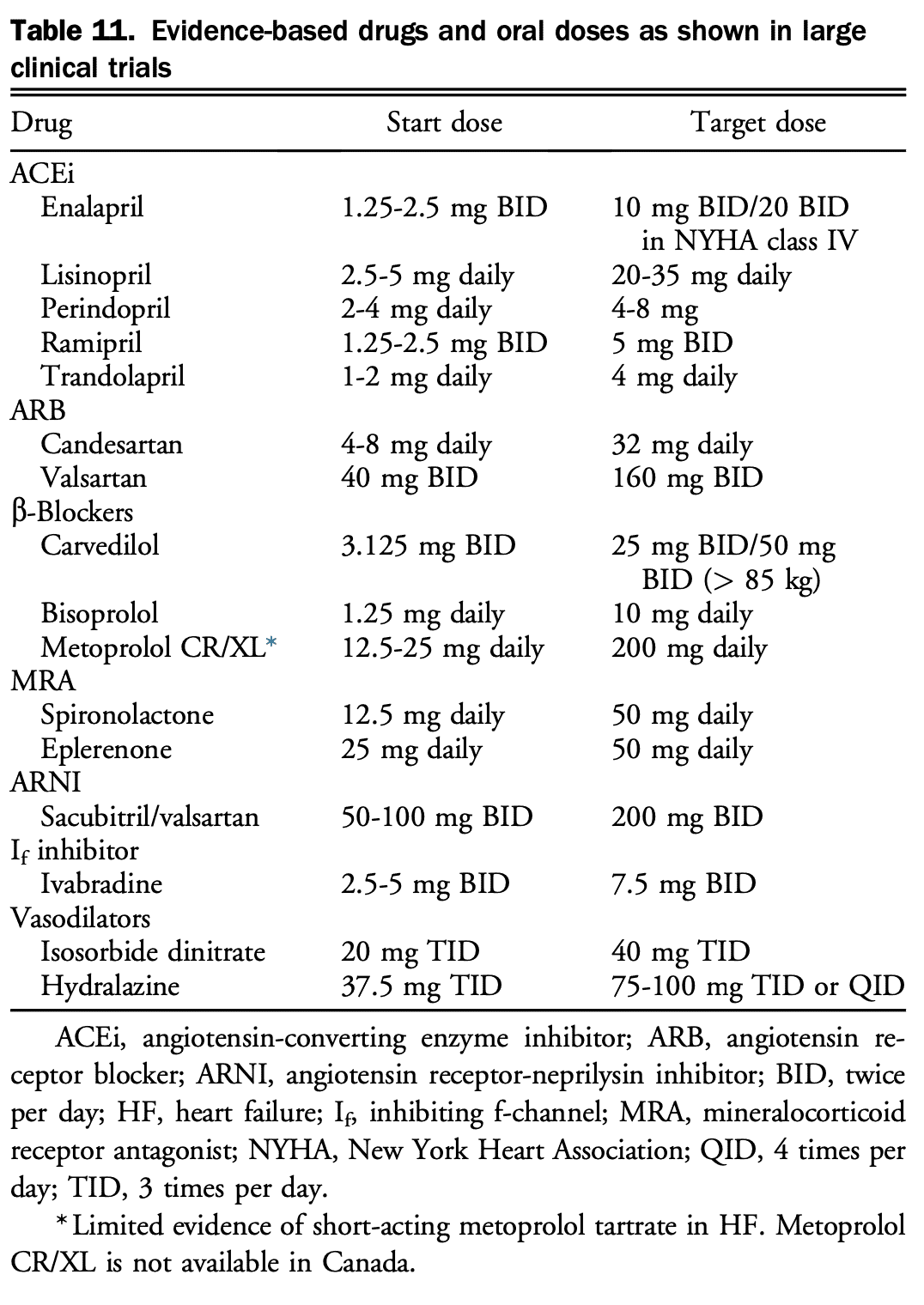
Therapies must be up-titrated to target doses – these are the doses at which their benefit is proven (see Table).
If target dose cannot be reached due to side-effects (such as renal failure, hypotension), can maintain on highest tolerated dose.
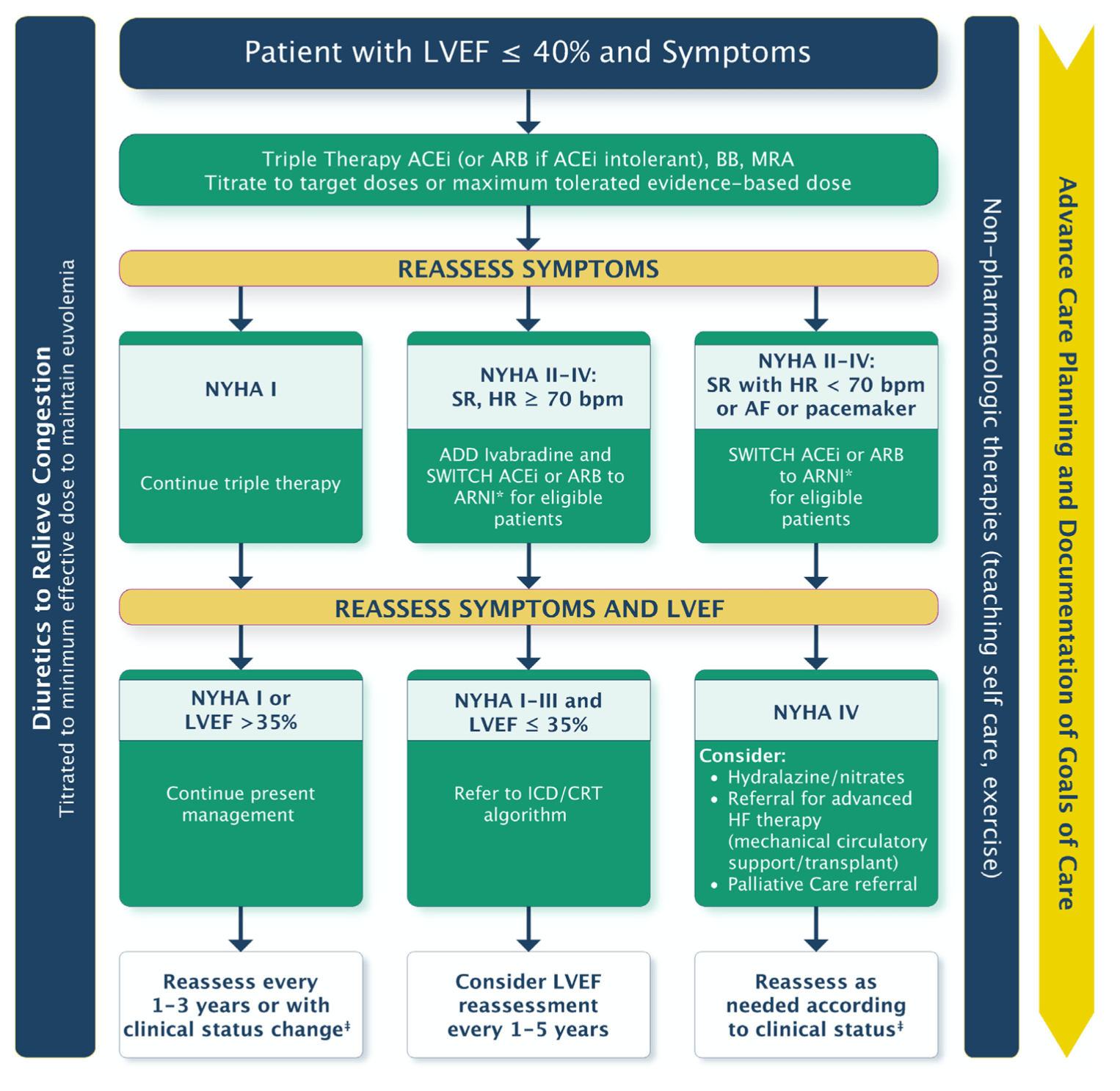
Therapies are introduced in a stepwise fashion – starting with B-blocker, ACE inhibitor, and MRA.
Once triple therapy is optimized, additional therapy such as ARNI, SGLT-2 inhibitor, ivabradine, hydralazine/isosorbide dinitrate should be added.
Avoid stopping in routine acute illness (e.g. pneumonia, COPD exacerbation) unless not tolerated (reactive airways or hemodynamic instability).
If stopped, reinitiate whenever possible (remember: these are life-saving medications)
Identify patients with “advanced heart failure,” because they require special treatment considerations (see below).
Please use the tables below as a guide.
Target Doses for HF Therapies (CCS 2017)Approach to Titration of HF Therapies (CCS 2017)
Beta Blockers
Alpha-1 and Beta-1 (and Beta-2) receptor antagonists
Do not start if the patient is unstable or in heart failure (negative inotropes)
If patient presents with AHF, continue b-blocker (unless hemodynamically unstable or in shock)
Up-titrate slowly (q2-4 weeks). Rapid uptitration can exacerbate HF.
CCS 2017 Heart Failure Guidelines
Indications for Beta Blockers
EF ≤ 40% with or without symptoms
Must use one of the 3 beta blockers with proven benefit in heart failure (carvedilol, bisoprolol, metoprolol succinate)
Metoprolol: (MERIT-HF)
NOTE: Trials used long-acting “succinate” formulation. Canada does not have succinate, and instead have the short-acting “tartrate” formulation, which is given twice daily.
Start 12.5mg BID, titrate to 100mg BID
Bisoprolol: (CIBIS-II)
Start 1.25 – 2.5mg daily, titrate to 10mg daily
The most selective and long-acting beta blocker; best choice in patients with obstructive lung disease
Carvedilol: (COPERNICUS)
Start 3.125mg BID, titrate to 25mb BID (or 50mb BID if > 85kg)
NOTE: Carvedilol is a non-selective beta-blocker; caution in patients with hypotension and reactive airway disease
ACE Inhibitors
Work via 2 pathways: inhibition of angiotensin II, and upregulation of bradykinin
Note: cost consideration in those without a drug plan
Other Medical Therapy
Angiotensin Receptor-Neprilysin Inhibitors (ARNi)
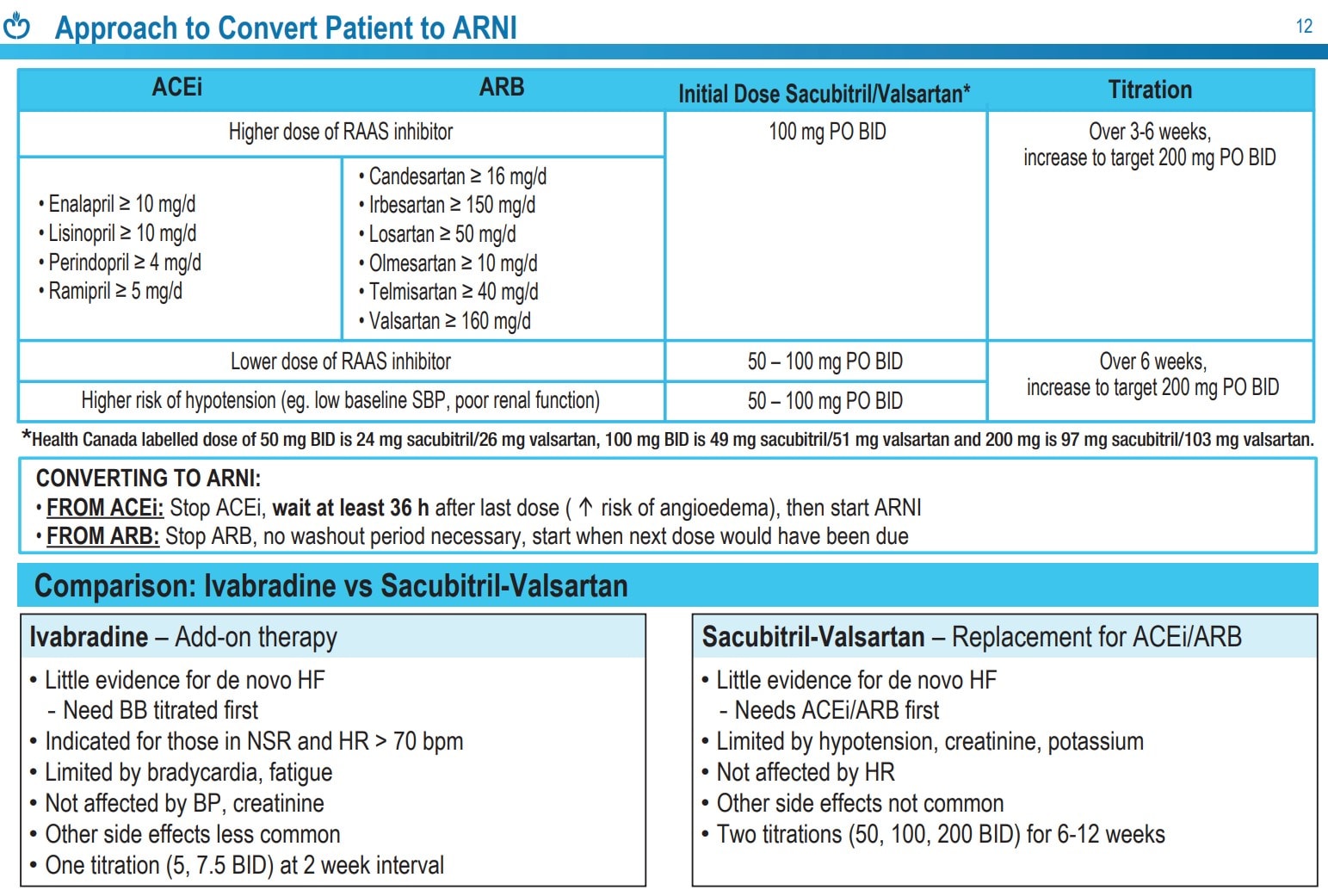
Recommended to be used in place of ACEi or ARB in patients with HFrEF who are symptomatic despite GDMT to reduce risk of cardiovascular death, HF hospitalizations, and symptoms (PARAGON-HF Trial )
Notes: ARNi can be directly substituted from ARB without washout period, but when switching from ACEi to ARNi a washout period of at least 36 hours is required. ARNi cannot be used in anyone with a history of angioedema.
Ivabradine
Recommended in patients with HFrEF who are symptomatic despite GDMT, with a resting heart rate >70, in sinus rhythm, and a previous hospitalization in the last 12 months to reduce risk of cardiovascular death and HF hospitalizations (SHIFT Trial)
Notes: Beta blockers should be titrated to max dose and Ivabradine added on top. Ivabradine does not affect cardiac contractility or blood pressure. Does not work if patient is in atrial fibrillation.
CCS: Approach to Convert Patient to ARNI
SGLT-II Inhibitors
SGLT-II inhibitors such as dapagliflozin 10mg daily recommended in patients with HFrEF (EF < 40%) with or without diabetes to improve symptoms, quality of life, reduce hospitalizations, and cardiovascular mortality (DAPA-HF Trial)
Potential adverse effects:
Contraindicated in Type I DM
Most common adverse effect are genital mycotic infections (GMI). Women (10-15% risk), previous GMI and uncircumcised men are at highest risk.
GMI can be managed with antifungal drugs and do not require discontinuation.
SGLT-II inhibitors might result in temporary reduction in eGFR up to 15%, which generally resolves in 1-3mo.
Do not cause hypoglycemia
Should be held in setting of concominant dehydrating illness as part of “Sick Day Plan”
Associated with diabetic ketoacidosis (0.1% incidence), with normal or modestly elevated blood glucose level. Measurement of serum ketones is required.
Hydralazine and Isosorbide Dinitrate
In addition to GDMT, recommended in HFrEF in black patients, patients with advanced symptoms and patients unable to tolerate ACEi/ARB/ARNi due to renal dysfunction or hyperkalemia
*See graphic above for target doses of medications
Device Therapy
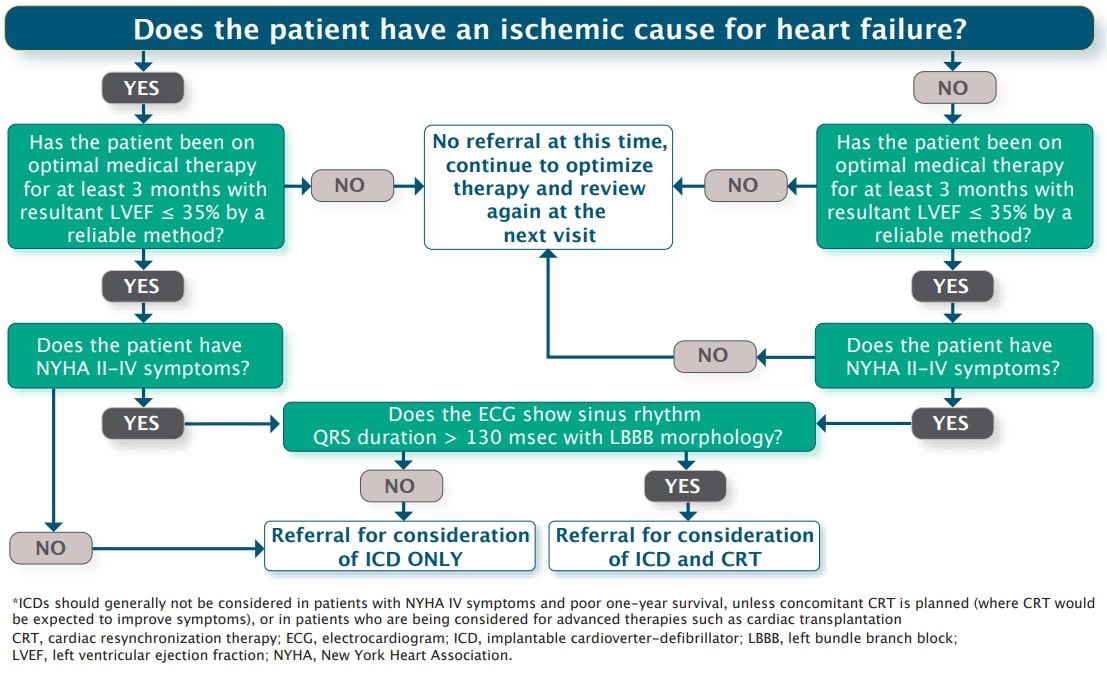
ICD recommended in patients with HFrEF and hemodynamically significant or sustained ventricular arrhythmia (secondary prevention)
For secondary prevention ICD indications, please see graphic.
CRT is recommended in patients in sinus rhythm, NYHA class II-IV despite optimal medical therapy, EF < 35% and LBBB QRS ≥ 130ms (or non LBBB ≥ 150ms)
CCS Referral Pathway for Device Therapy
Advanced Therapy
Advanced heart failure management strategies such as cardiac transplantation, mechanical support, inotropic support, and palliation will not be discussed in this topic.
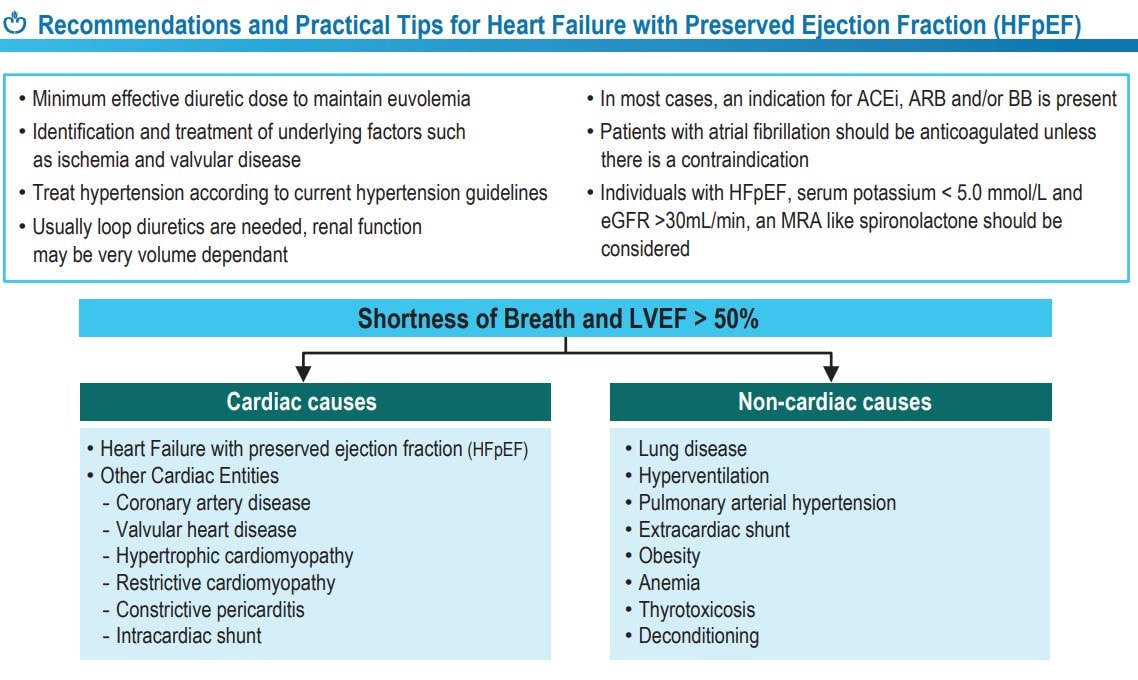
Patients with advanced heart failure who continue to have NYHA III/IV symptoms despite GDMT should have consultation with a specialist with experience in advanced heart failure.
Candesartan and spironolactone can be considered to reduce hospitalizations (weak recommendations)
Loop diuretics should be used at minimum required doses for symptoms of congestion and peripheral edema
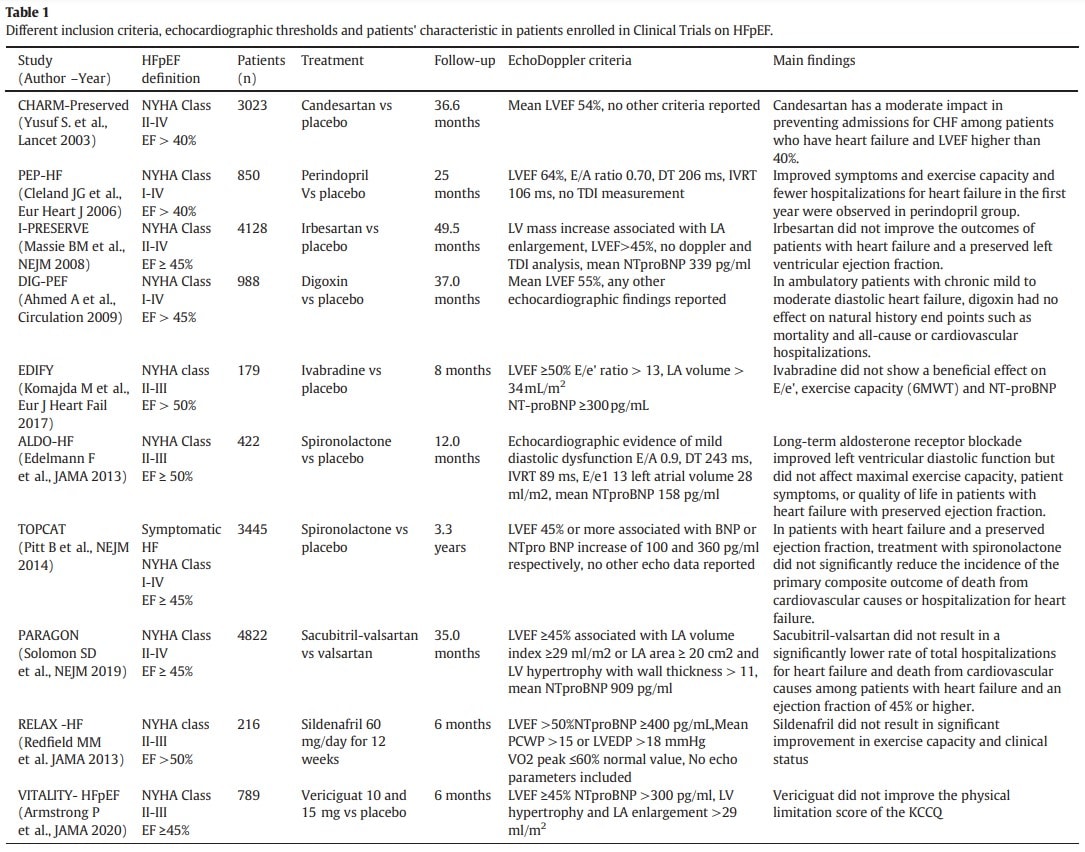
RCT involving saccubitril/valsartan did not show statistically significant reduction in outcomes.
RCTs with SGLT-II inhibitors have not shown reductions in hard outcomes. However, patients may qualify for SGLT-II inhibitors for other indications (such as diabetes, kidney disease and cardiovascular disease)
CCS HFpEF RecommendationsPalazzuoil 2021: Current gaps in HFpEF trials: Time to reconsider patients' selection and to target phenotypes